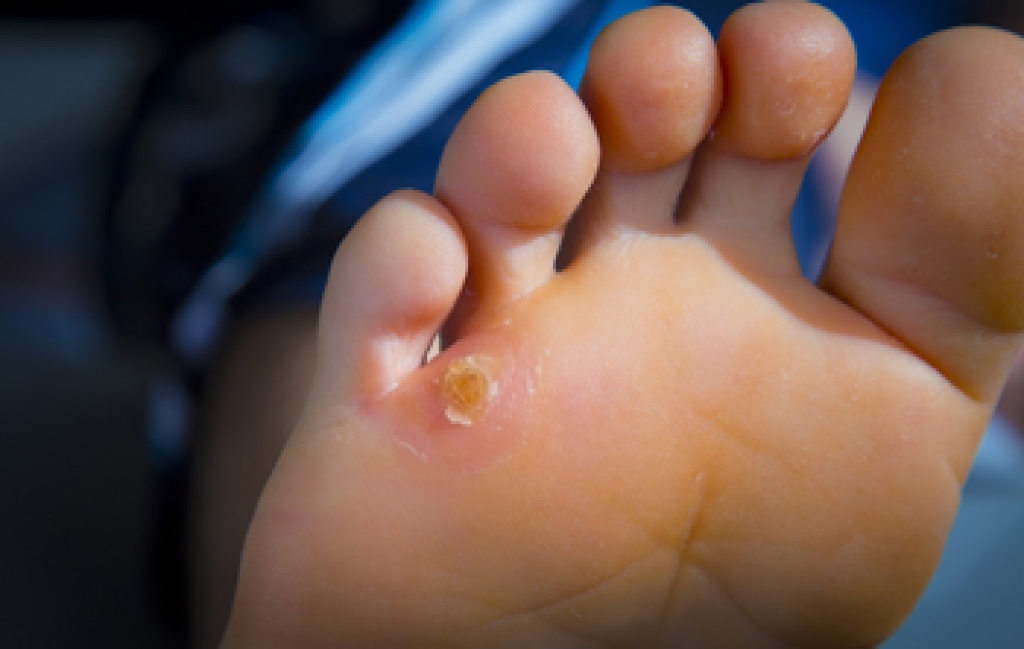
Seed Corns on the Feet

Corns are thickened areas of skin that can develop on feet and toes. They are caused by prolonged pressure or friction and can happen from shoes that do not fit well, and performing repetitive activities. Additionally, foot conditions with deformities that press against shoes, such as bunions or hammertoe may cause corns to develop. A seed corn, or heloma millare, is one of three types of foot corns, and can also occur from having dry skin. They are small and can appear on the soles of the feet. It may be difficult to distinguish them from calluses or plantar warts, and a sample will have to be taken for examination under a microscope. Seed corns are hard, circular, and have well-defined spots on the skin and are generally seen in multiples. They seldom hurt unless pressure is applied to them or when performing weight-bearing activities. Tips to prevent seed corn formation include using a pumice stone to gently file thickened skin, followed by soaking and moisturizing the feet. It can also help to wear shoes and socks that are comfortable and do not rub on the feet. If you have seed corns that are not diminishing, it is suggested that you see a podiatrist for an evaluation and treatment.

If you have any concerns regarding your feet and ankles, contact Leonard Talarico, DPM of Georgia. Our doctor will treat your foot and ankle needs.

Corns: What Are They? and How Do You Get Rid of Them?
Corns can be described as areas of the skin that have thickened to the point of becoming painful or irritating. They are often layers and layers of the skin that have become dry and rough, and are normally smaller than calluses.

Ways to Prevent Corns
There are many ways to get rid of painful corns such as wearing:

  • Well-fitting socks
  • Comfortable shoes that are not tight around your foot
  • Shoes that offer support

Treating Corns
Treatment of corns involves removing the dead skin that has built up in the specific area of the foot. Consult with Our doctor to determine the best treatment option for your case of corns.

If you have any questions, please feel free to contact our office located in Pooler, GA . We offer the newest diagnostic and treatment technologies for all your foot care needs.

Read more about Corns and Calluses

Do High Heels Cause Bunions?

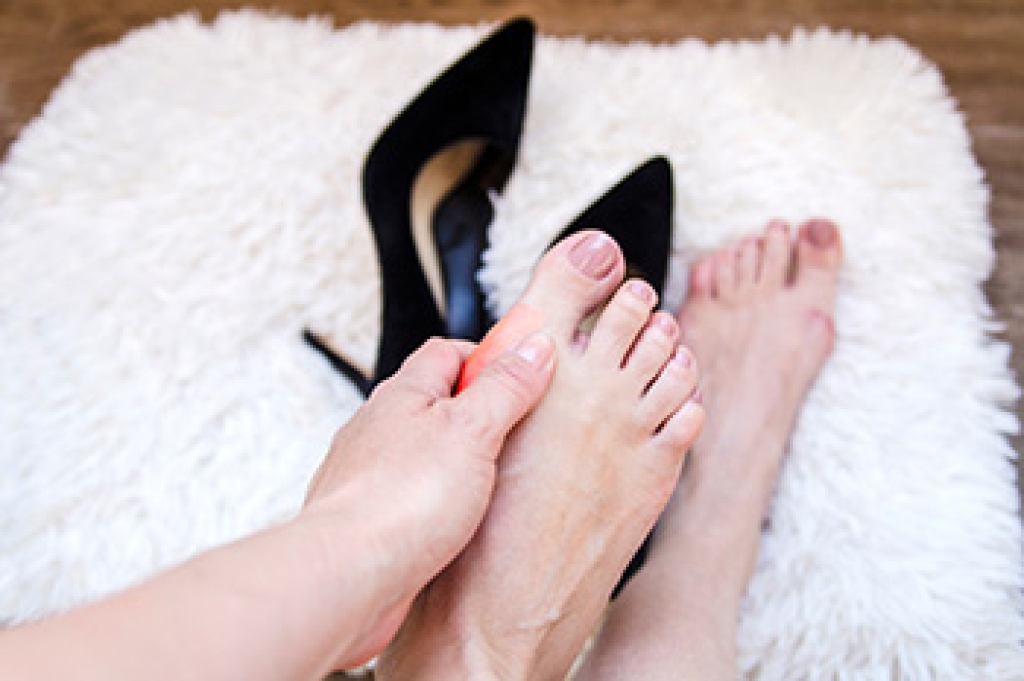
Wearing high heels can enhance the look of your legs and ankles, but may not be helping the health of your feet. However, though experts agree that while most bunions form because of a genetic disposition to this deformity, wearing high heels can make the problem worse if you are already susceptible. Also, it is thought that having a bunion is more of a matter of your gait, or how you walk, than the type of shoes you wear. But because wearing high heels forces the weight of the body toward the ball of the foot, they may add to the likelihood of a bunion formation. A bunion is a deformity that pushes the bone outward at the base of the big toe joint causing a lump to develop on the side of the foot. The other toes react by moving in the opposite direction. High heels, which often have a small and pointed toe box, essentially encourage this movement. If you often wear high heels and notice a bunion forming, it is suggested that you make an appointment with a podiatrist who can offer treatment options.

High heels have a history of causing foot and ankle problems. If you have any concerns about your feet or ankles, contact Leonard Talarico, DPM from Georgia. Our doctor can provide the care you need to keep you pain-free and on your feet.

Effects of High Heels on the Feet

High heels are popular shoes among women because of their many styles and societal appeal.  Despite this, high heels can still cause many health problems if worn too frequently.

Which Parts of My Body Will Be Affected by High Heels?

  • Ankle Joints
  • Achilles Tendon – May shorten and stiffen with prolonged wear
  • Balls of the Feet
  • Knees – Heels cause the knees to bend constantly, creating stress on them
  • Back – They decrease the spine’s ability to absorb shock, which may lead to back pain.  The vertebrae of the lower back may compress.

What Kinds of Foot Problems Can Develop from Wearing High Heels?

  • Corns
  • Calluses
  • Hammertoe
  • Bunions
  • Morton’s Neuroma
  • Plantar Fasciitis

How Can I Still Wear High Heels and Maintain Foot Health?

If you want to wear high heeled shoes, make sure that you are not wearing them every day, as this will help prevent long term physical problems.  Try wearing thicker heels as opposed to stilettos to distribute weight more evenly across the feet.  Always make sure you are wearing the proper shoes for the right occasion, such as sneakers for exercising.  If you walk to work, try carrying your heels with you and changing into them once you arrive at work.  Adding inserts to your heels can help cushion your feet and absorb shock. Full foot inserts or metatarsal pads are available. 

If you have any questions, please feel free to contact our office located in Pooler, GA . We offer the newest diagnostic and treatment technologies for all your foot care needs.
Read more about Effect of High Heels on the Feet

Do You Suffer From Painful Feet?

Painful deformities, such as hammertoes, can be treated. Stop living with foot pain, and have beautiful feet again!

Women and Gout

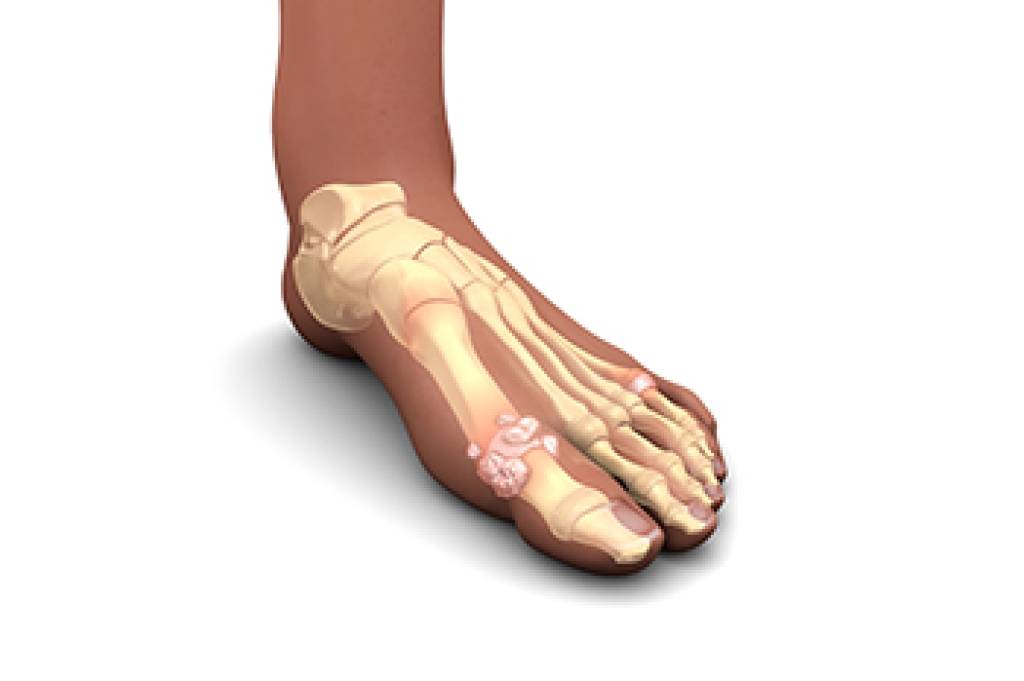
The majority of people who are affected by gout are men. However, it can also happen to women who are past menopausal age and may result due to a lack of estrogen. Gout is caused by excess uric acid levels in the body, which may increase after a woman reaches menopause. Many people associate gout with eating foods that have high levels of purines. These foods include shellfish, red meat, and drinks containing large amounts of sugar. Gout has been known to be a man’s disease as they had these types of eating habits centuries ago. Over the years, women have kept their gout attacks hidden from society, possibly from fear of being labeled as indulging in excess food and drink. Gout can cause severe pain and discomfort and generally affects the big toe. Uric acid will cause crystals to form in the joints of the big toe, which may result in extreme pain, redness, and swelling. Gout patients require the expertise of a podiatrist, and it is suggested this type of doctor be contacted to provide the correct treatment options for you.

Gout is a foot condition that requires certain treatment and care. If you are seeking treatment, contact Leonard Talarico, DPM from Georgia. Our doctor will treat your foot and ankle needs.

What Is Gout?

Gout is a type of arthritis caused by a buildup of uric acid in the bloodstream. It often develops in the foot, especially the big toe area, although it can manifest in other parts of the body as well. Gout can make walking and standing very painful and is especially common in diabetics and the obese.

People typically get gout because of a poor diet. Genetic predisposition is also a factor. The children of parents who have had gout frequently have a chance of developing it themselves.

Gout can easily be identified by redness and inflammation of the big toe and the surrounding areas of the foot. Other symptoms include extreme fatigue, joint pain, and running high fevers. Sometimes corticosteroid drugs can be prescribed to treat gout, but the best way to combat this disease is to get more exercise and eat a better diet.

If you have any questions, please feel free to contact our office located in Pooler, GA . We offer the newest diagnostic and treatment technologies for all your foot care needs.
Read more about Gout

Foot Stitches

Sometimes when an individual endures a wound on their foot, they may require stitches of some kind. Stitches are essentially a way to close the two sides of a skin wound. If a patient has stitches in their foot, they may have to take specific steps to care for their stitches, ensuring they do not become infected. For example, a medical professional may recommend the patient keep the stitches dry and clean, particularly in the first day.  Additionally, an individual may consider refraining from engaging in physical activities that can tear the skin apart at the stitches. Lastly, a medical professional may advise against swimming, as this activity would submerge the stitches in water. If you are someone that has stitches or will need stitches on their feet, it is suggested that you contact a podiatrist today for treatment.

Wound care is an important part in dealing with diabetes. If you have diabetes and a foot wound or would like more information about wound care for diabetics, consult with Leonard Talarico, DPM from Georgia. Our doctor will assess your condition and provide you with quality foot and ankle treatment.

What Is Wound Care?

Wound care is the practice of taking proper care of a wound. This can range from the smallest to the largest of wounds. While everyone can benefit from proper wound care, it is much more important for diabetics. Diabetics often suffer from poor blood circulation which causes wounds to heal much slower than they would in a non-diabetic. 

What Is the Importance of Wound Care?

While it may not seem apparent with small ulcers on the foot, for diabetics, any size ulcer can become infected. Diabetics often also suffer from neuropathy, or nerve loss. This means they might not even feel when they have an ulcer on their foot. If the wound becomes severely infected, amputation may be necessary. Therefore, it is of the upmost importance to properly care for any and all foot wounds.

How to Care for Wounds

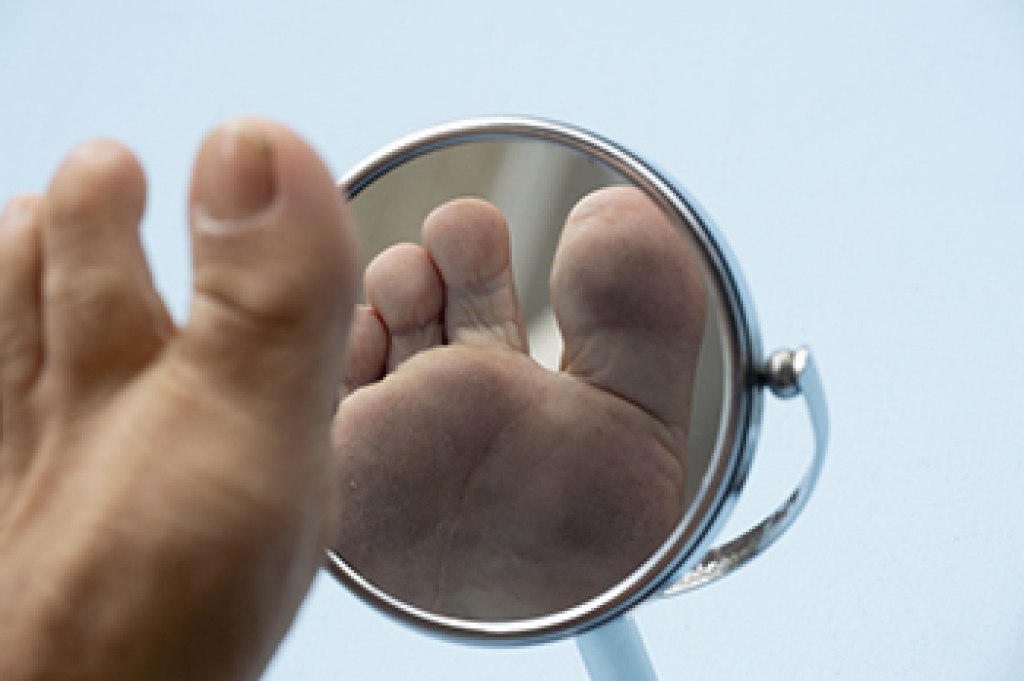
The best way to care for foot wounds is to prevent them. For diabetics, this means daily inspections of the feet for any signs of abnormalities or ulcers. It is also recommended to see a podiatrist several times a year for a foot inspection. If you do have an ulcer, run the wound under water to clear dirt from the wound; then apply antibiotic ointment to the wound and cover with a bandage. Bandages should be changed daily and keeping pressure off the wound is smart. It is advised to see a podiatrist, who can keep an eye on it.

If you have any questions please contact our office located in Pooler, GA . We offer the newest diagnostic and treatment technologies for all your foot and ankle needs.

Read more about Wound Care

Connect With Us